Bottleengraving possible on the body, base and finish
Food jarengraving possible on the body & base
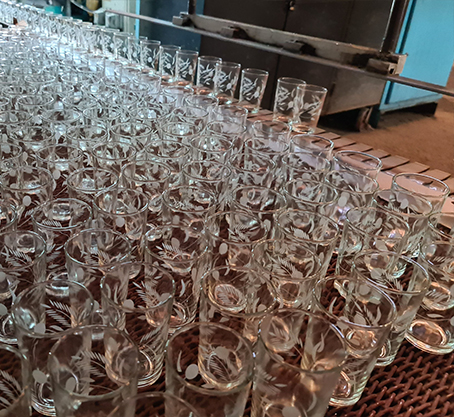
Tumblerengraved glass available
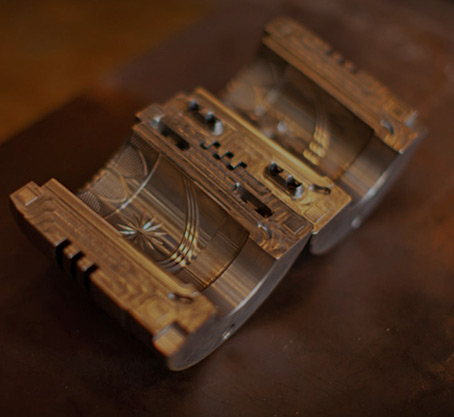
Creating a custom model means developing a design that belongs to the customer, working on every detail to make the product perfectly distinctive and recognisable.
At SEVAM, we are constantly looking for the most innovative solutions to make your projects feasible and bring them to life.
Customising a model involves several stages
Bottleengraving possible on the body, base and finish
Food jarengraving possible on the body & base
Tumblerengraved glass available
This process prints enamels onto decorable surfaces, usually smooth and flat, in a palette of up to 5 or 6 colours, with guaranteed durability and brightness of the decoration
BottleDecoration possible on the smooth, flat surface of the item, with enamels and up to 6 colours
Food jarDecoration possible on the smooth, flat surface of the item, with enamels and up to 6 colours
TumblerDecoration possible on the smooth, flat surface of the item, with enamels and up to 5 colours
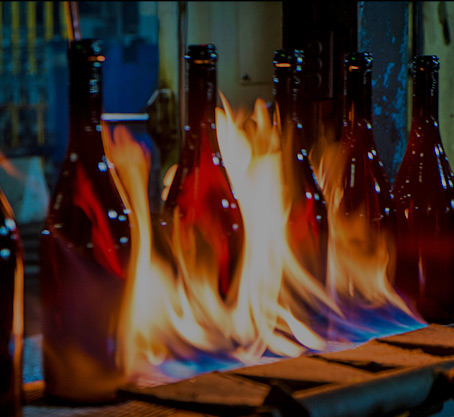
Choosing the colour suited to the product matters not only for the intended look, but also for protecting light-sensitive contents.
Bottle4 main colours are offered: industrial flint, green, havana and amber. Further variants are possible above a minimum volume
Food jarHalf-white colour available
TumblerHalf-white and extra-white colours