Skip to content

Manufacturing process

Schéma du processus de fabrication

Manufacturing process

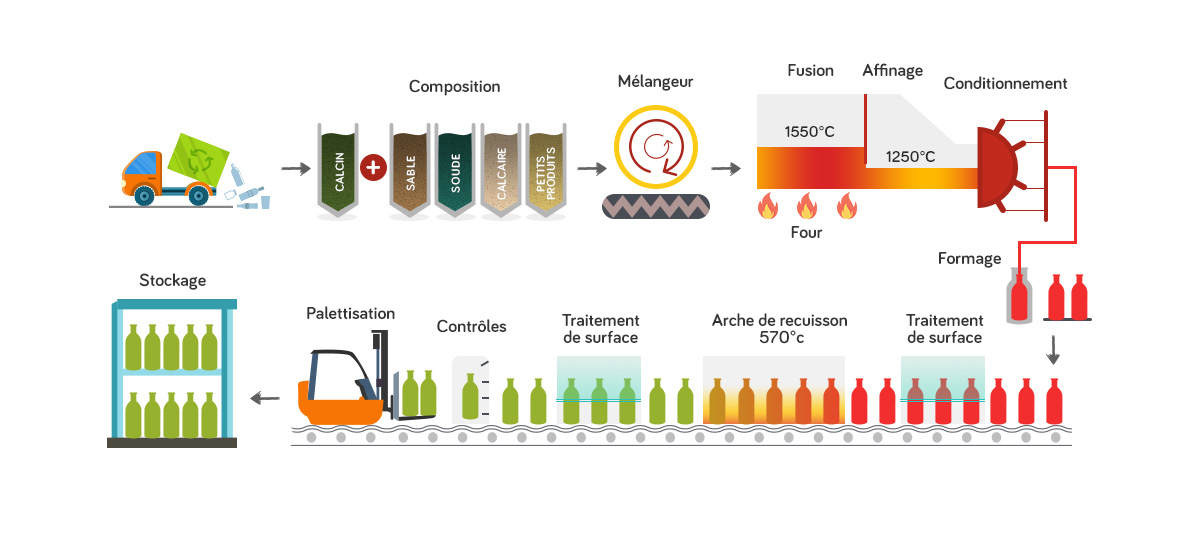
The manufacturing process can be broken down into 8 stages

Hot end

1

Batch composition

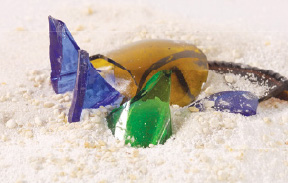
Sand, limestone and soda ash go into the composition of glass. These ingredients are then mixed with cullet (recycled glass) in very precise proportions to form the batch. The mixture is then fed into the furnace.
2

Melting

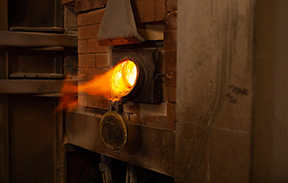
Our furnace heats the batch to around 1,500°C, producing molten glass. The now liquid glass travels through forehearths that deliver it to the machines at the temperature and viscosity required to shape the item. Glass takes about 24 hours to leave the furnace and be ready for forming.

3

Forming

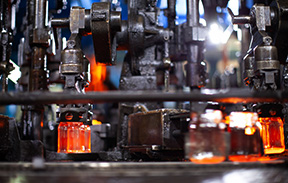
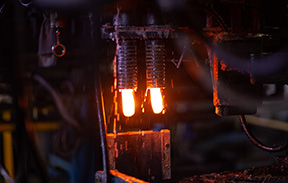
On leaving the feeders, the glass is cut into gobs to supply the production machines. Sevam uses 3 moulding processes for forming, depending on the type of item:

  • Press
  • Press and blow
  • Blow and blow
4

Annealing

After forming, where the items were cooled very abruptly, they are reheated and cooled gradually in an annealing lehr (around 570°C) to remove all stress and strengthen the glass

Cold end

5

Quality control

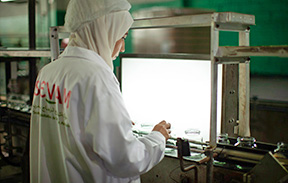
After annealing, the glass is inspected manually and/or by inspection machines so that only quality items pass, meeting international food contact and safety standards as well as Sevam customers' specifications. Glass rejected by inspection is fully reused as melting raw material.

6

Decoration

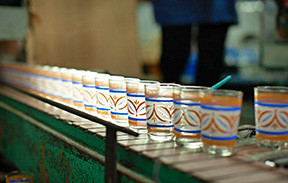
The decoration technique used is screen printing. Ceramic enamels are applied to the item through a screen, then fired in a decorating lehr at around 580°C

7

Packing and palletising

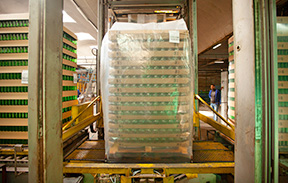
At the end of the production line, packing groups, holds and protects the items to ensure transport, storage, identification and delivery in the best possible conditions.

8

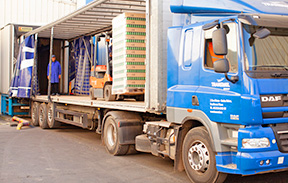
Storage and shipping

Once on a pallet, the item is stored and then shipped to the end customer.

Our references

Nestlé
JDE
Coca-Cola
Pepsi
Aïn Saïss
Les Eaux Minérales d'Oulmès